If you are searching for tire replacement near me, learn how to identify worn tires, select the right replacements, and maintain reliable road performance.
Reliable tires are essential for everyday driving. Whether you are commuting to work, taking the family to school, running errands, or planning a longer road trip, your tires help provide the traction and stability your vehicle needs.
Tires do not last forever. Tread gradually wears down, rubber ages, and road hazards can cause unexpected damage. When your tires are no longer providing dependable performance, timely replacement can help you stay prepared for changing road conditions.
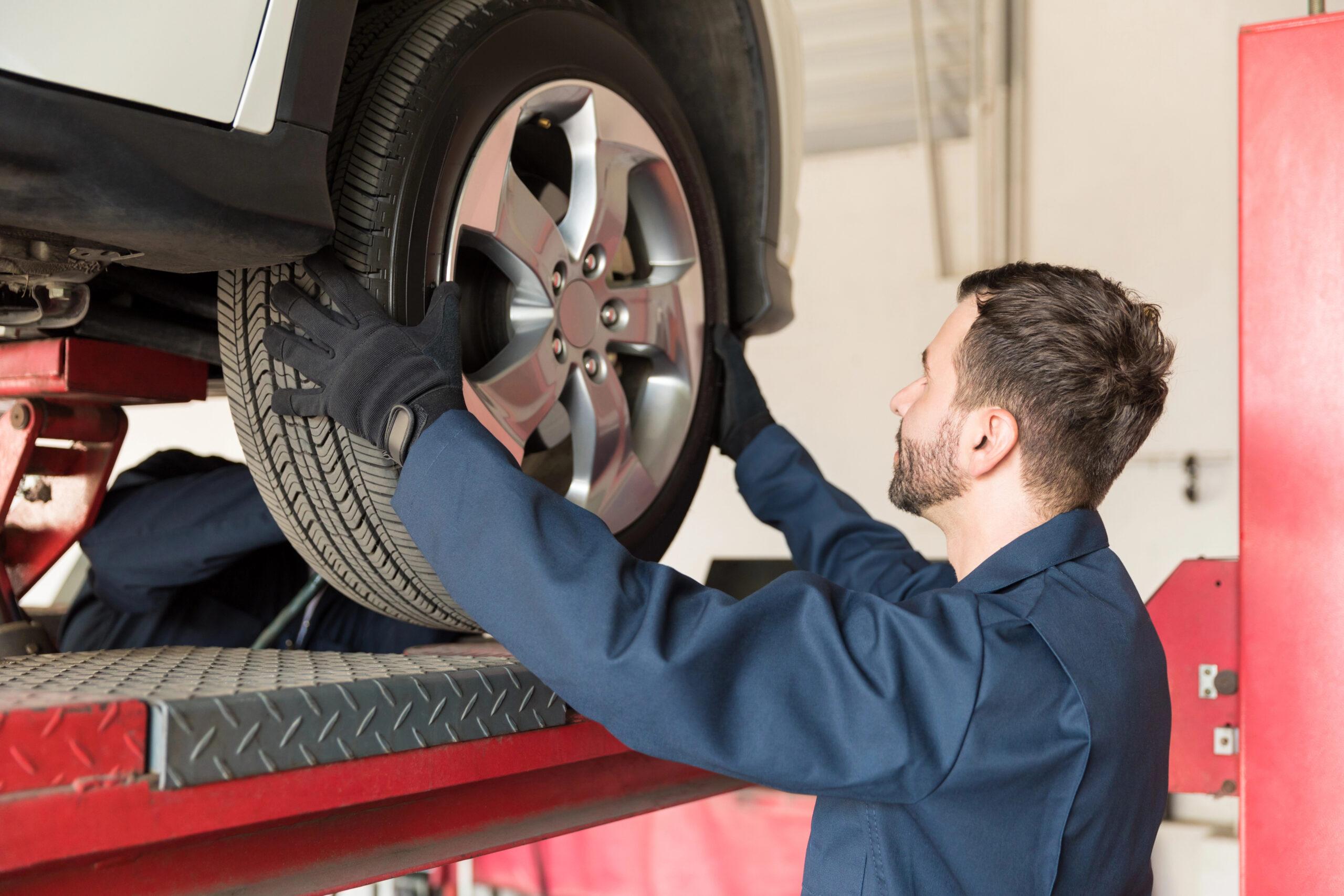
For local drivers, searching for tire replacement near me can be a convenient way to find professional assistance. A local tire service can inspect your current tires, identify potential problems, recommend suitable options, and handle professional installation.
The goal is not simply to buy new tires. It is to choose tires that match your vehicle, driving habits, road conditions, and budget.
Why Tire Condition Matters
Your tires are the vehicle’s connection to the road.
They influence:
- Braking
- Steering
- Acceleration
- Cornering
- Wet-road traction
- Vehicle stability
- Ride comfort
When tires become excessively worn, damaged, or aged, their ability to perform can change.
Regular inspections can help identify problems before they lead to an unexpected roadside situation.
7 Signs You May Need Tire Replacement
- Low Tread Depth
Tread helps your tires maintain traction. As it wears down, wet-weather performance can become less dependable.
Check your tread regularly and pay attention to the built-in wear indicators.
- Uneven Wear
If one part of the tire wears faster than another, there may be an underlying issue.
Possible causes include:
- Incorrect tire pressure
- Poor alignment
- Suspension problems
- Lack of rotation
Addressing the cause is important before installing replacement tires.
- Cracks
Cracks in the sidewall or tread can indicate rubber deterioration.
- Bulges
A bulge or bubble can indicate internal tire damage and should receive professional attention.
- Frequent Air Loss
If you repeatedly need to add air to the same tire, there may be a puncture, valve problem, or another leak.
- Excessive Vibration
Unusual vibration may be caused by tire imbalance, wheel damage, uneven wear, or other vehicle issues.
- Tire Age
Even tires with plenty of tread can deteriorate as they age.
Choosing Tires for Your Vehicle
Selecting replacement tires requires more than matching the appearance of your current tires.
Tire Size
Use the tire size recommended for your vehicle.
Load Rating
The tire must be capable of supporting the vehicle’s required load.
Speed Rating
Choose a suitable speed rating according to your vehicle manufacturer’s specifications.
Tread Design
Different tread patterns are designed for different combinations of traction, comfort, handling, and durability.
Consider Your Driving Environment
Your typical driving conditions should influence your tire selection.
City Driving
Drivers who primarily travel through city streets may prioritize comfort, durability, and predictable braking.
Highway Driving
Highway drivers may prefer tires designed for stable handling, comfort, and long tread life.
Wet Conditions
Drivers who frequently encounter rain may place greater importance on wet traction.
Rough Roads
Drivers who regularly travel on uneven roads may need tires suited to their vehicle and road conditions.
All-Season Tires
All-season tires are designed to offer balanced performance across a variety of everyday conditions.
They can provide a practical combination of:
- Dry traction
- Wet performance
- Comfort
- Tread life
However, the appropriate tire depends on your local conditions and vehicle specifications.
Performance Tires
Performance-focused tires generally emphasize steering response and handling.
They may appeal to drivers who enjoy responsive cornering and a sportier driving experience.
Before choosing them, consider whether their performance characteristics match your normal driving needs.
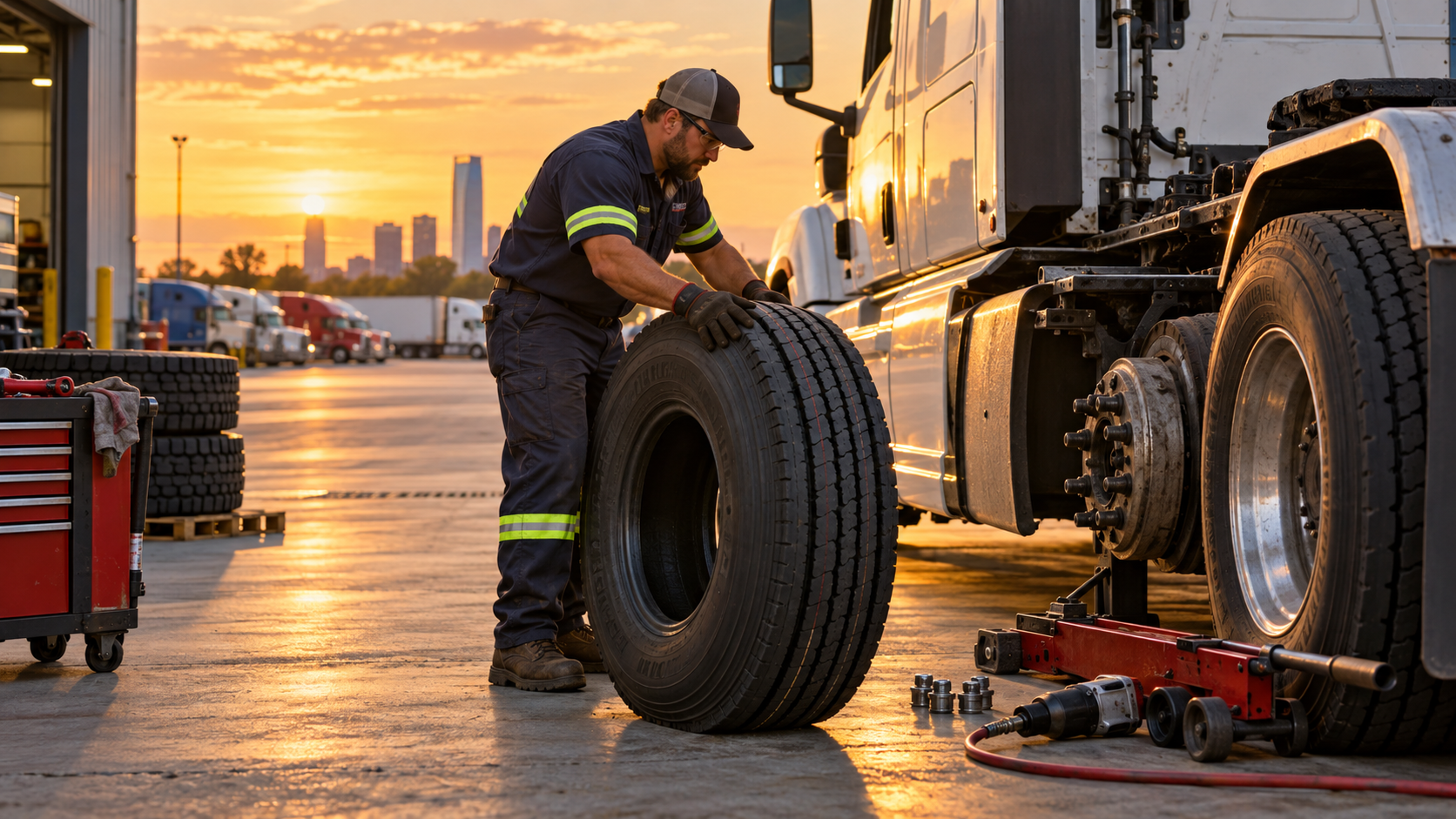
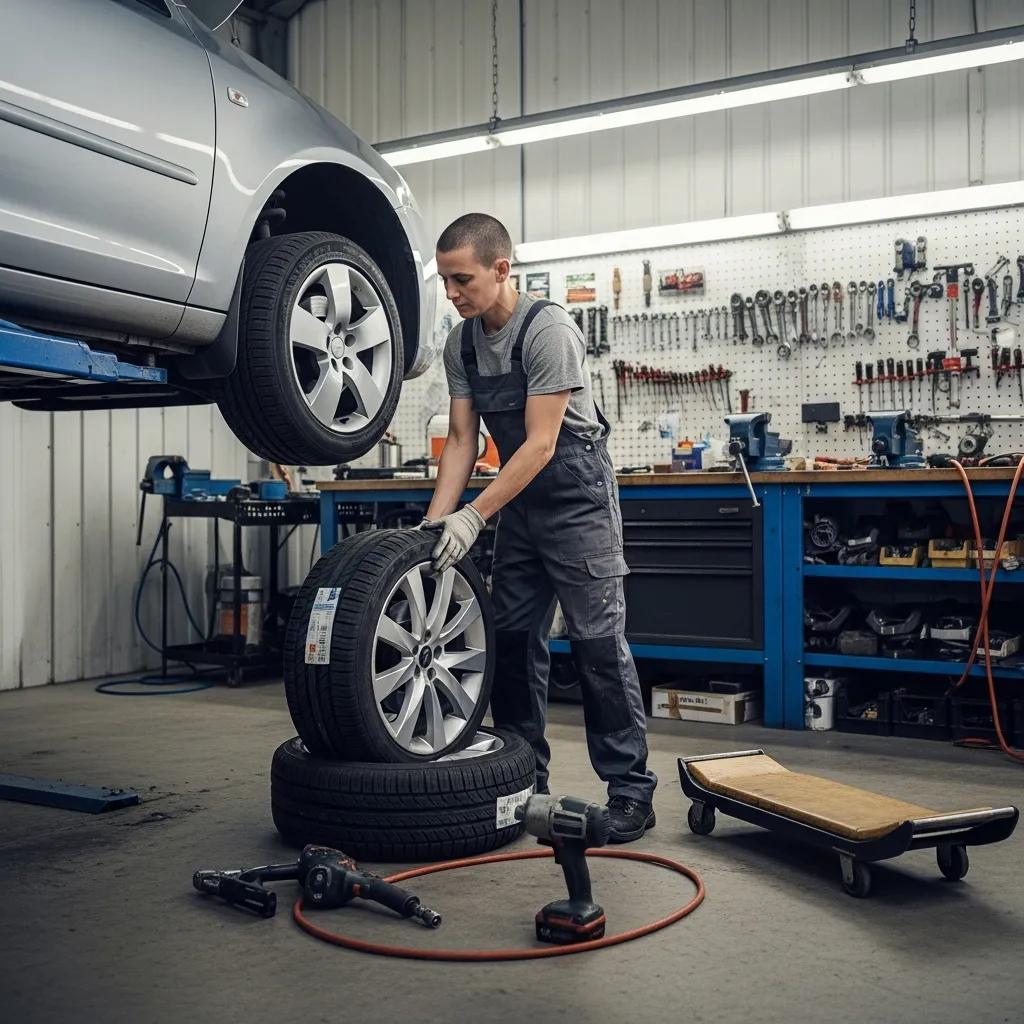
Professional Tire Installation
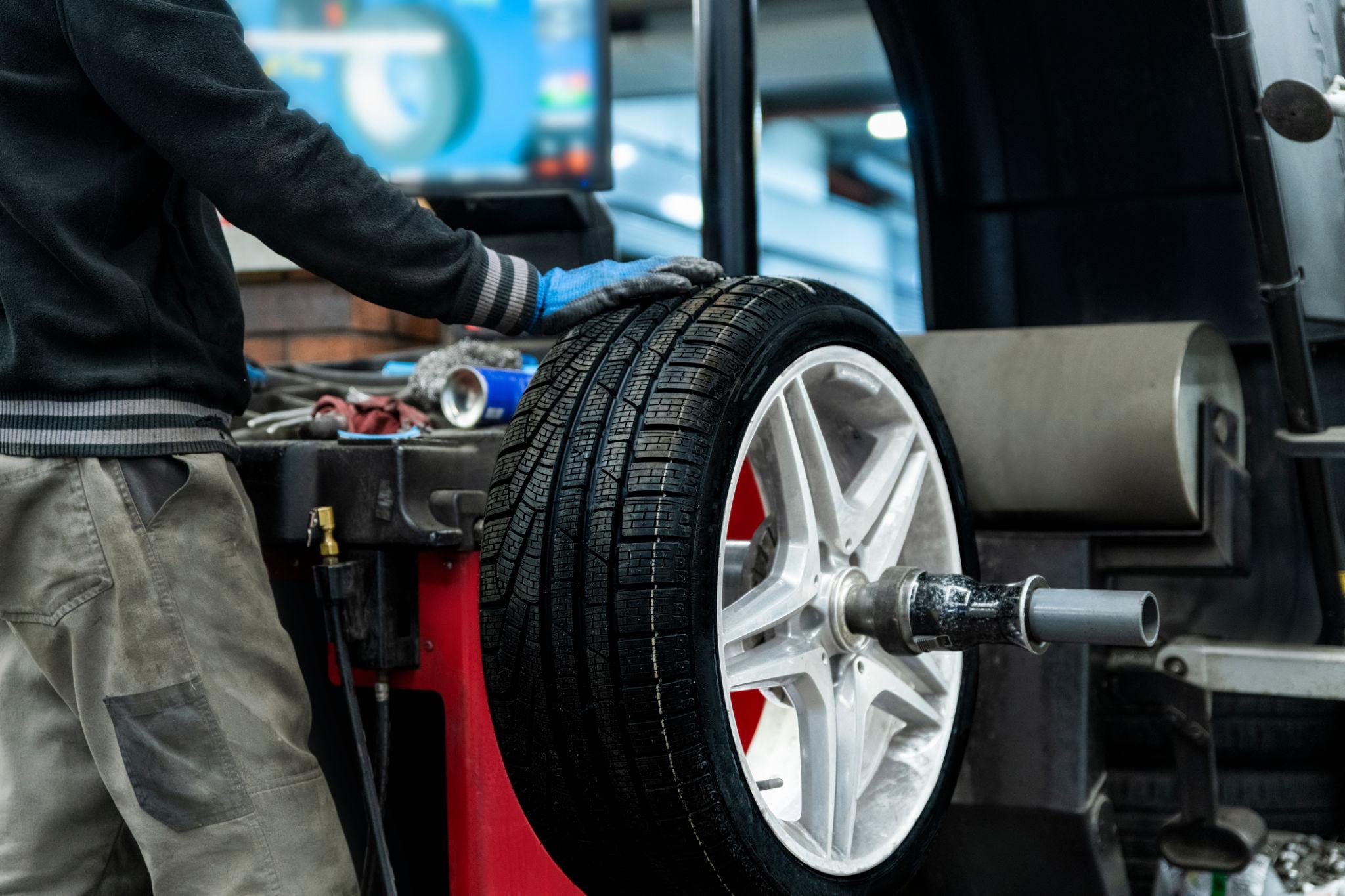
Once you select the right tires, professional installation is important.
A typical installation may involve:
- Removing the old tire
- Inspecting the wheel
- Mounting the new tire
- Balancing the wheel assembly
- Checking valve components
- Setting tire pressure
- Securing the wheel
- Performing a final inspection
Proper installation helps ensure the tires are ready for regular use.
Why Wheel Balancing Is Important
Wheel balancing helps distribute the weight of the tire and wheel assembly.
Poor balance can contribute to vibration and uneven wear.
Proper balancing can help support:
- Smoother driving
- Reduced vibration
- Even tread wear
- Improved comfort
If you notice vibration after a tire installation, have the vehicle inspected.
Don’t Ignore Wheel Alignment
Alignment problems can quickly affect new tires.
Signs may include:
- Pulling to one side
- Steering wheel off-center
- Uneven tread wear
- Rapid tire wear
- Changes in steering response
If your previous tires show unusual wear, ask about an alignment inspection when replacing them.
Maintaining Proper Tire Pressure
Correct tire pressure is important throughout the life of your tires.
Incorrect pressure can contribute to:
- Uneven tread wear
- Reduced handling
- Increased heat
- Poor efficiency
- Shorter tire life
Always follow the tire pressure recommended by your vehicle manufacturer.
How Many Tires Should You Replace?
Not every situation requires four new tires.
If one tire is damaged and the remaining tires are relatively new, replacing a single tire may sometimes be suitable.
If the remaining tires have significant wear, replacing a pair or complete set may be more appropriate.
Some vehicles have specific drivetrain requirements, so professional advice is especially useful.
Benefits of Timely Replacement
Replacing worn tires at the appropriate time can provide several benefits.
Better Traction
Healthy tread can support better road contact.
Improved Wet Performance
Adequate tread can help maintain traction when roads are wet.
More Predictable Handling
Properly selected tires can support consistent steering and cornering.
Better Ride Comfort
New tires may improve ride quality compared with severely worn tires.
Greater Confidence
Knowing your tires are in good condition can provide peace of mind.
How to Find Local Tire Service
When searching for a local provider, consider more than proximity.
Look for:
- Professional tire inspections
- Multiple tire choices
- Installation services
- Wheel balancing
- Tire rotation
- Alignment checks
- Pressure checks
- Clear pricing
A nearby provider can be particularly valuable when you need prompt service.
For local battery and tire needs, J & R Battery And Tire can be considered when comparing available automotive service options.
Getting More Value From Your Tire Purchase
The cheapest tire may not always be the best choice.
Consider the total value, including:
- Tread life
- Warranty
- Traction
- Comfort
- Noise
- Fuel efficiency
- Suitability for your vehicle
Choosing according to your driving needs can help you avoid paying for features you do not need while still getting dependable performance.
Tire Replacement Before a Road Trip
Long trips place additional demands on your tires.
Before traveling, check:
- Tire pressure
- Tread condition
- Sidewalls
- Spare tire
- Visible punctures
- Uneven wear
If you notice a problem, have it inspected before leaving.
A small issue discovered at home is much easier to address than a tire problem during a long journey.
Common Tire Replacement Mistakes
Avoid these common mistakes:
- Buying the wrong size
- Choosing tires solely by price
- Ignoring load ratings
- Skipping balancing
- Ignoring alignment issues
- Driving with underinflated tires
- Delaying replacement after serious damage
- Failing to inspect older tires
Professional guidance can help you make a more informed decision.
Maintaining Your New Tires
Once your replacement tires are installed, maintenance should continue.
Check tire pressure regularly.
Inspect the tread for unusual wear.
Rotate the tires according to the recommended schedule.
Have the alignment checked if the vehicle begins pulling or the tires develop uneven wear.
Before long trips, perform a quick visual inspection and pressure check.
These simple habits can help you get more useful service from your tires.
Frequently Asked Questions
How do I know if my tires need replacing?
Look for worn tread, uneven wear, cracks, bulges, repeated air loss, or other visible damage. A professional inspection can confirm whether replacement is needed.
How often should I check tire pressure?
Check it regularly and before long trips. Always follow your vehicle manufacturer’s recommended pressure.
Should I replace all four tires?
Not necessarily. The appropriate number depends on the condition of the other tires and your vehicle’s drivetrain and manufacturer recommendations.
Can uneven wear damage new tires?
If the underlying alignment, pressure, suspension, or rotation issue is not corrected, new tires can also wear unevenly.
Do new tires need balancing?
Professional balancing is generally recommended during installation to help promote smooth operation.
What is the best type of tire?
There is no single best tire for every vehicle. The right option depends on your vehicle, driving conditions, climate, performance needs, and budget.
Can I drive on a damaged tire?
Driving on a severely damaged or flat tire can create additional risks. Have it professionally inspected before continuing to drive.
How can I extend tire life?
Maintain proper inflation, rotate tires as recommended, monitor alignment, avoid excessive loads, and inspect tires regularly.
Conclusion
Finding tire replacement near me is an important step when your tires become worn, damaged, or too old for dependable use. However, the right replacement involves more than finding a nearby provider.
Start by checking for low tread, uneven wear, cracks, bulges, repeated air loss, vibration, and signs of aging. Then consider the tire size, load rating, speed rating, tread design, driving conditions, and budget when selecting replacements.
Professional installation, wheel balancing, correct inflation, and alignment checks can help support the performance and longevity of your new tires.
Regular maintenance remains essential after installation. By monitoring pressure, inspecting tread, rotating tires, and addressing problems early, you can help keep your vehicle prepared for daily driving and longer road trips.
When local service is important, a provider such as J & R Battery And Tire can be considered for tire and battery-related automotive needs.