A flat tire on a semi truck is more than an inconvenience. It can interrupt a delivery, change a driver’s schedule, and leave a loaded vehicle waiting for service. When you need a semi truck tire replacement in OKC, knowing what to check and what to ask can help you make a sound decision without adding unnecessary delay.
The most useful question is not simply, “How fast can I get a new tire?” It is, “What happened to this tire, and what does this truck need before it goes back on the road?” A replacement should suit the wheel position, load, and type of work the truck performs. The old tire may also offer clues about a leak, alignment problem, or damage to the wheel.
First, Get the Truck to a Safe Location
If a tire fails while you are driving, focus on bringing the truck to a safe stop. Avoid sudden movements, follow your company’s breakdown procedure, and assess the vehicle only when it is safe to do so.
A tire that has lost pressure may look like a simple flat from a distance. Closer inspection could reveal sidewall damage, tread separation, or damage to a tire next to it. Do not try to decide whether the truck can finish its route based only on a quick glance.
Once parked, record your location and note which wheel position has the problem. This information will help a tire provider understand what you need. If the truck is in a location where it cannot be serviced safely, explain that when you call.
When Does a Semi Truck Tire Need Replacing?
A technician may recommend replacement when a tire has structural damage, severe wear, or a problem that cannot be safely repaired. Warning signs include:
- A bulge in the sidewall or tread
- Exposed cords or fabric
- Tread pulling away from the tire
- A large cut or impact injury
- Repeated air loss after inflation
- Wear concentrated on one edge or in isolated patches
Tread depth is another consideration. Federal rules generally require at least 4/32 inch on the front tires of a truck or truck tractor and 2/32 inch on other tires, measured in a major tread groove. A tire can still be unsuitable for service before it reaches that minimum if it has damage or other defects.
If a tire has been driven while significantly underinflated, tell the technician. Its internal condition may not be apparent while it remains mounted.
Can a Punctured Truck Tire Be Repaired?
Sometimes. A small puncture does not automatically mean you need a new tire, but its appearance from the outside does not prove it can be repaired, either. The location of the injury, the condition inside the tire, and the amount of damage all matter.
A commercial tire technician should inspect the tire and explain the recommendation. Ask whether the injury is repairable and whether there are signs that the tire was damaged while running low on air. If replacement is advised, ask what made the repair unsuitable.
This conversation matters because it helps you understand the current expense and prevent another stop. If a nail caused the problem, the solution may be straightforward. If the tire wore unevenly because of another vehicle issue, a new tire alone may not solve it.
Know Which Tire Position Needs Service
The tire’s position changes the replacement decision. Semi trucks use tires on steer, drive, and trailer axles, and each position has different operating demands.
Steer position: These tires play a direct role in how the truck handles. A suitable replacement must meet the vehicle’s requirements for that position.
Drive position: Drive tires work under power and need to be appropriate for the truck’s traction and load demands.
Trailer position: Trailer tires must suit the trailer and the loads it carries.
When calling for service, identify the position as precisely as possible. If the damaged tire is in a dual assembly, mention which tire is affected. The tire beside it should also be checked, particularly if the damaged tire was operated with low pressure.
The numbers printed on the sidewall can help a provider identify the tire, but size alone does not settle every fit question. A professional should confirm that the proposed replacement is appropriate for the vehicle and application.
What to Ask an OKC Tire Provider
During a breakdown, a clear phone call can save time. Give the provider your location, truck details, tire position, tire size, and a brief description of the damage. Then ask:
- Do you service semi truck tires? Confirm that the provider handles commercial vehicles and the type of tire you need.
- Is a suitable tire available? Stock can vary by size and application.
- Where will service take place? Ask whether you need to bring the truck to the shop or whether mobile service is available for your location.
- What is included in the estimate? Clarify the tire, labor, and any other charges that may apply.
- Will you inspect the cause of failure? Findings about the wheel, valve, wear pattern, or nearby tire may affect the work needed.
If you manage a fleet, ask for the inspection findings and replacement details to be recorded. Good records make it easier to track repeated tire problems by truck or wheel position.
Roadside Service or a Shop Visit?
The right option depends on the truck’s condition and location. If the tire is damaged and the vehicle cannot be moved safely, ask a commercial tire provider whether roadside service is available. Explain where the truck is parked and whether there is room to work safely.
If the issue is found during a pre-trip inspection and the truck can remain parked, a shop visit may give you more flexibility to compare tire options and inspect related problems. For planned replacements, scheduling service ahead of a route can also reduce pressure on the driver and dispatcher.
Do not assume roadside service is available at every hour or for every tire size. Confirm availability and an estimated response time directly with the provider.
What Happens During Replacement?
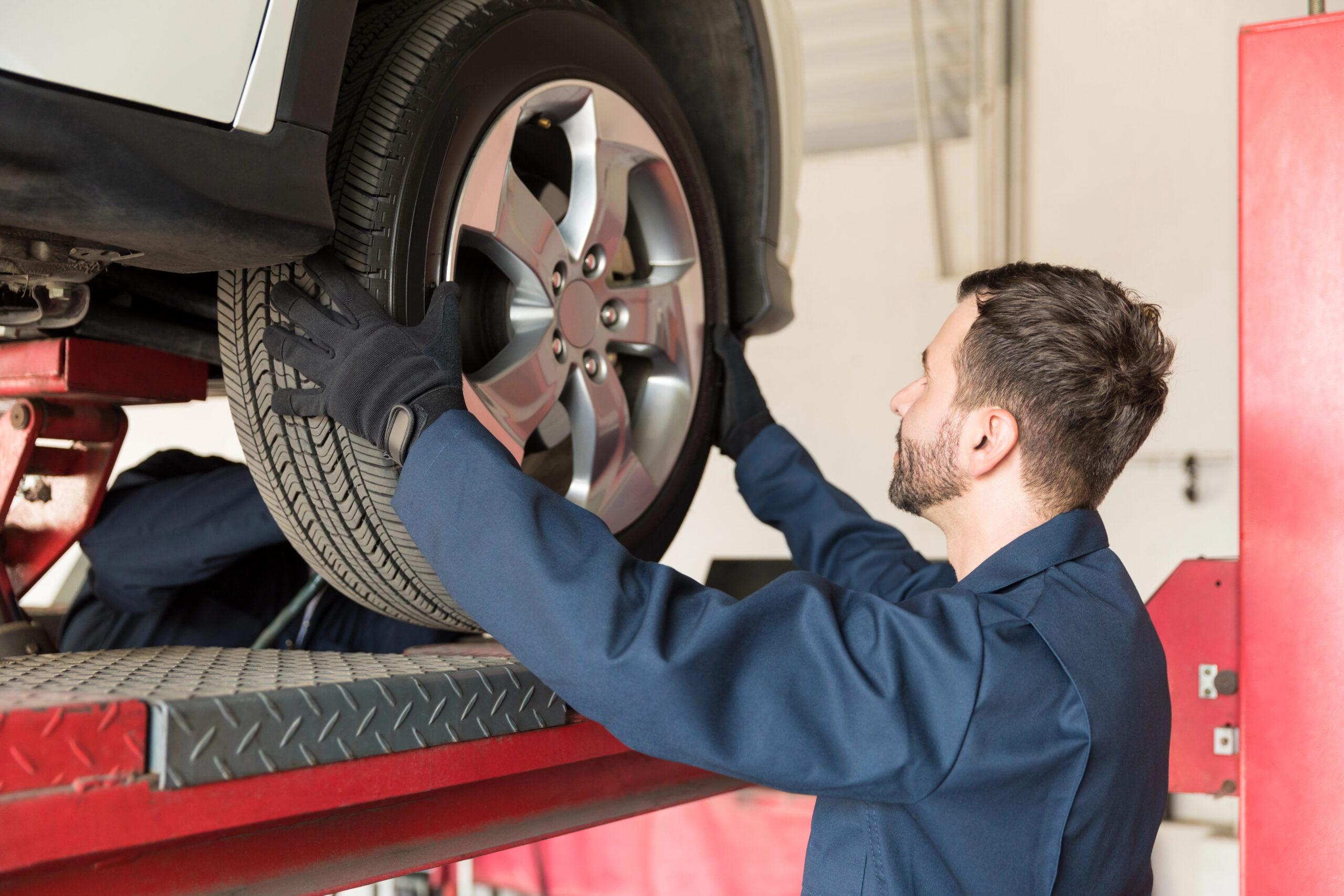
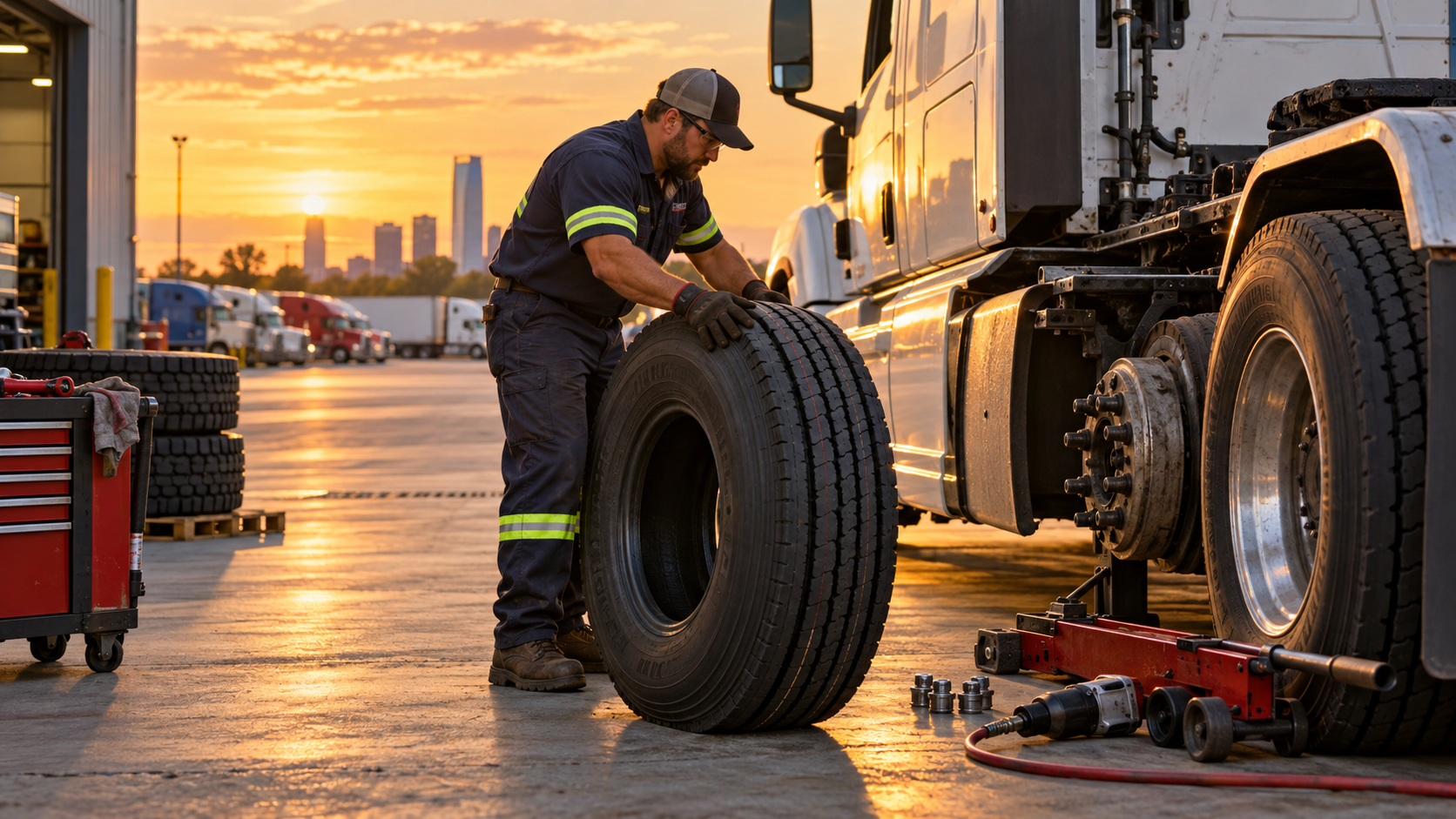
The technician should first assess the damaged tire and the wheel assembly. Depending on the situation, they may inspect the valve, look for visible wheel damage, and examine the wear pattern for signs of another problem.
Next, they select and install a suitable tire using procedures appropriate for commercial wheels. The finished assembly should be checked before the truck returns to service. If the technician finds an issue beyond the tire, ask what needs immediate attention and what should be scheduled for follow-up.
Commercial tire mounting and inflation involve serious hazards and require proper training and equipment. OSHA sets requirements for servicing single-piece and multi-piece rim wheels. Drivers should leave that work to qualified tire service personnel.
Before leaving, get an invoice that identifies the work completed. It will be useful if you need to follow up on a wear problem or update your fleet’s maintenance history.

Why a New Tire Might Wear Out Early
Replacing a failed tire gets the truck back in service. Preventing the same problem requires looking at why it failed.
Ongoing pressure loss: If a tire repeatedly needs air, the leak must be found. The source may be the tire, valve, or wheel assembly.
Uneven wear: A tire worn heavily on one side may point to an alignment or mechanical concern. Ask for an inspection rather than assuming a fresh tire will wear evenly.
Road impacts: Potholes, debris, and curb strikes can affect a tire or wheel. Tell the technician about a recent impact, even if it seemed minor at the time.
Service patterns: Fleet records may show that a particular truck needs replacements more often than similar vehicles. That pattern is worth investigating.
Routine pre-trip checks give drivers an opportunity to notice low tires, visible damage, and changing wear patterns. Reporting those findings early may allow a planned service stop instead of a roadside interruption.
Plan Replacements Around the Truck’s Work
An urgent breakdown can limit your choices to tires that are available quickly and suitable for the vehicle. Planned maintenance gives you more time to review conditions across the truck or fleet.
Check tire wear during regular inspections and record what you find. If a tire is approaching a replacement point, schedule service before a demanding trip. If multiple tires show a similar wear pattern, have the underlying cause assessed.
For fleet managers, the goal is a repeatable process: drivers report concerns, maintenance staff review the evidence, and replacement decisions are documented. That process can make the next tire issue easier to handle, even when the damage itself could not have been predicted.
FAQs
How quickly can I get a semi truck tire replacement in OKC?
It depends on the provider’s availability, the required tire, your location, and whether you need roadside or shop service. Call with the tire size and wheel position for a useful estimate.
Should I replace a tire that keeps losing air?
It needs an inspection. A technician can identify the leak and determine whether repair or replacement is appropriate. Repeatedly adding air does not resolve the cause.
Can I use a tire with the same size as my damaged tire?
Matching the size is necessary, but the replacement must also be suitable for its position, load, and application. Have a commercial tire professional confirm the choice.
Will the tire beside a flat dual tire need replacement?
It may or may not. Ask the technician to inspect it for damage and assess the assembly before deciding.
What should I bring to a tire shop?
Bring the truck’s details, the tire size if available, your maintenance information, and a description of when you first noticed the problem. Tell the technician if the tire was driven while low on air.
Conclusion
A tire failure can disrupt a full day of work, but a careful replacement decision helps prevent a second interruption. Stop safely, describe the problem clearly, and have a qualified commercial tire technician inspect both the damaged tire and any related concerns.
For semi truck tire replacement in OKC, confirm that the provider can supply a suitable tire and perform the service your truck needs. Keep the inspection findings afterward. They can help you spot recurring problems and keep future stops on your schedule.