Your vehicle’s battery is the heart of its electrical system, providing the power needed to start the engine and operate essential electrical components. Every time you turn the key or press the start button, the battery delivers the initial surge of electricity required to crank the engine. Beyond starting your vehicle, it also powers everything from your headlights and dashboard electronics to advanced driver assistance systems and infotainment features. Like every automotive component, however, a battery has a limited lifespan. Understanding when and why to replace it can help you avoid unexpected breakdowns, improve your vehicle’s reliability, and prevent costly repairs caused by electrical failures.
Whether you’re dealing with a dead battery or simply planning preventive maintenance, this comprehensive guide explains everything you need to know about auto battery replacement, including warning signs, battery types, maintenance tips, and frequently asked questions.
Understanding Auto Battery Replacement
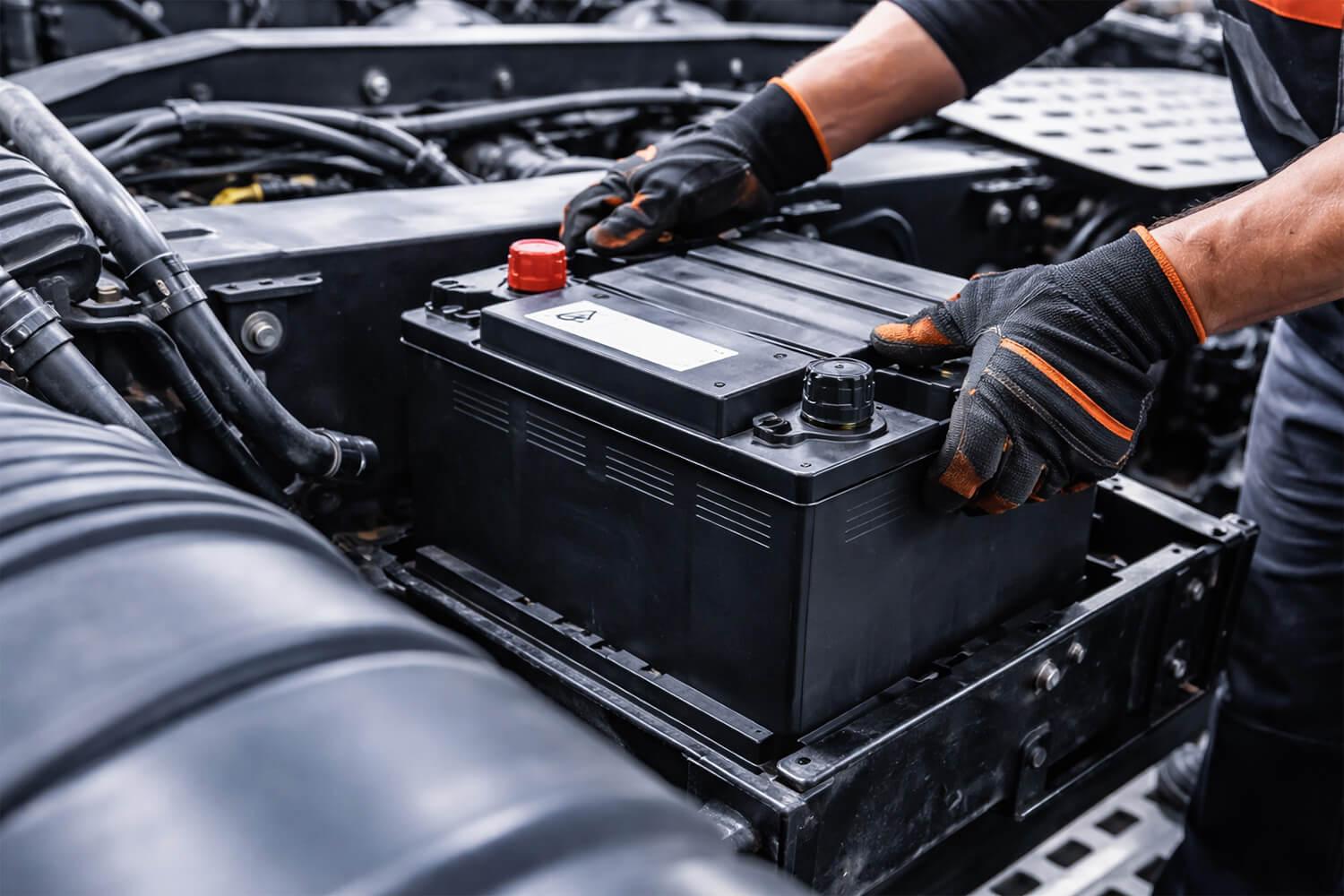
Auto battery replacement is the process of removing a worn-out, damaged, or failing battery and installing a new one that meets your vehicle manufacturer’s specifications. While replacing a battery may seem like a simple maintenance task, selecting the correct replacement and ensuring proper installation are essential for reliable performance.
A properly installed battery provides consistent starting power, supports the vehicle’s electrical system, and helps protect sensitive electronic components from voltage fluctuations. Many modern vehicles also require battery registration or electronic system resets after installation, making professional replacement beneficial for newer models.
Routine battery replacement is considered preventive maintenance and helps reduce the chances of roadside emergencies while extending the life of your vehicle’s charging system.
What Does a Car Battery Do?
Your vehicle’s battery performs far more functions than simply starting the engine. It stores electrical energy and delivers a powerful burst of electricity to the starter motor whenever you start the vehicle. Once the engine is running, the alternator recharges the battery while simultaneously supplying power to the vehicle’s electrical systems.
Today’s vehicles rely heavily on batteries to operate numerous electronic components, including:
- Headlights and taillights
- Dashboard displays and digital instrument clusters
- Power windows and door locks
- Infotainment and navigation systems
- Climate control systems
- Security and alarm systems
- Backup cameras and parking sensors
- Advanced driver assistance features (ADAS)
Without a healthy battery, these systems may experience reduced performance or fail to operate correctly, making battery health critical for both convenience and safety.
Why Timely Battery Replacement Matters
Many drivers wait until their battery completely dies before considering a replacement. Unfortunately, battery failure often occurs without warning and can leave you stranded at home, work, or on the roadside.
Replacing an aging battery before it reaches the end of its lifespan offers several important benefits. It ensures dependable starting performance, reduces unnecessary strain on the starter motor, prevents excessive load on the alternator, and minimizes the risk of unexpected breakdowns.
A fresh battery also maintains stable voltage throughout the electrical system, helping protect sensitive electronic modules that are increasingly common in modern vehicles. Investing in timely battery replacement is far less expensive than dealing with emergency towing or repairing charging system components damaged by a failing battery.
Average Lifespan of a Car Battery
Although every battery eventually wears out, most automotive batteries last between three and five years under normal driving conditions. However, several factors influence battery life, and understanding these can help you maximize your battery’s longevity.
Extreme heat is one of the biggest causes of premature battery failure because it accelerates internal chemical reactions and increases water evaporation. Extremely cold weather also reduces battery efficiency, making it harder to generate enough power to start the engine.
Other factors affecting battery lifespan include:
- Frequent short-distance driving
- Long periods without driving
- Heavy use of electrical accessories
- Poor alternator performance
- Loose or corroded battery terminals
- Low-quality replacement batteries
Having your battery tested during routine vehicle servicing can identify declining performance long before complete failure occurs.
Signs Your Vehicle Needs a New Battery
A failing battery rarely stops working overnight. Instead, it gradually loses its ability to hold and deliver electrical power, producing several warning signs. Recognizing these symptoms early allows you to replace the battery before it leaves you stranded.
Slow Engine Cranking
One of the earliest and most noticeable signs of battery failure is slow engine cranking. If the engine turns over more slowly than usual or takes longer to start, the battery may no longer be capable of delivering sufficient starting power.
This issue is often more noticeable during colder weather when batteries naturally produce less electrical output.
Battery Warning Light
The battery warning light on your dashboard should never be ignored. Although many people assume it only indicates a bad battery, the warning light can also point to problems with the alternator, voltage regulator, or charging system.
A professional battery and charging system inspection can accurately determine the cause before additional damage occurs.
Frequent Jump Starts
If your vehicle repeatedly requires jump starts, the battery is likely nearing the end of its service life. While jump-starting temporarily restores enough power to start the engine, it does not repair the battery itself.
Needing multiple jump starts within a short period almost always indicates that replacement is necessary.
Dim Headlights and Electrical Issues
A weak battery can cause noticeable electrical problems throughout your vehicle. You may experience dim headlights, flickering interior lighting, slower power windows, delayed infotainment startup, or malfunctioning electronic accessories.
Since modern vehicles rely heavily on stable electrical voltage, even a partially failing battery can create unexpected performance issues across multiple systems.
Corroded or Damaged Battery Terminals
Battery terminals naturally develop corrosion over time due to chemical reactions occurring during charging and discharging. White, green, or bluish deposits around the terminals reduce electrical conductivity and make it more difficult for current to flow efficiently.
While minor corrosion can often be cleaned safely, severe corrosion, cracked battery cases, leaking acid, or swollen battery housing are strong indicators that battery replacement is necessary.
Choosing the Right Auto Battery Replacement
Not every battery is suitable for every vehicle. Choosing the correct replacement ensures proper fitment, reliable starting performance, maximum lifespan, and compatibility with your vehicle’s electrical system.
Using an incorrect battery can result in poor performance, installation issues, or even damage to sensitive electronic components.
Select the Correct Battery Size
Every manufacturer specifies a battery group size that matches the vehicle’s battery tray dimensions, terminal locations, and electrical requirements.
Installing the correct battery group size ensures secure mounting, proper cable connections, and reliable operation. Always consult your owner’s manual or a trusted automotive technician before purchasing a replacement battery.
Understand Battery Types
Today’s automotive batteries are available in several different technologies, each designed for different driving needs.
Traditional Flooded Lead-Acid Batteries remain the most affordable option and are suitable for many standard passenger vehicles.
Absorbent Glass Mat (AGM) Batteries offer greater durability, faster charging, improved vibration resistance, and excellent performance for vehicles equipped with start-stop technology or numerous electronic accessories.
Enhanced Flooded Batteries (EFB) provide improved cycling capability over conventional batteries and are commonly used in vehicles requiring more frequent engine restarts.
Selecting the correct battery technology helps maximize performance while meeting your vehicle manufacturer’s recommendations.
Check Cold Cranking Amps (CCA)
Cold Cranking Amps (CCA) measure how much power a battery can deliver to start an engine in freezing temperatures. Batteries with higher CCA ratings perform better in cold climates because they provide greater starting power when engine oil becomes thicker and harder to circulate.
Choosing a battery with the manufacturer-recommended CCA rating ensures dependable starting performance throughout the year without placing unnecessary strain on the starter motor.
Professional vs DIY Battery Replacement
Many older vehicles allow owners to replace the battery using basic hand tools. However, modern vehicles often include advanced electronics that require additional procedures after installation.
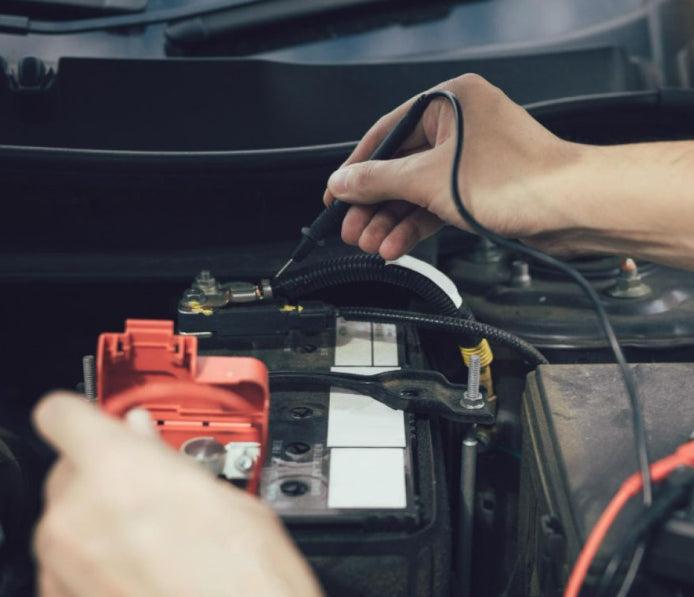
Professional battery replacement offers several advantages beyond simply installing a new battery. Certified technicians inspect the charging system, test alternator output, clean battery terminals, verify cable connections, and ensure the replacement battery meets manufacturer specifications.
Some vehicles also require battery programming or registration so that onboard computers can properly manage charging cycles and battery performance. Professional installation ensures these procedures are completed correctly while also guaranteeing safe recycling of the old battery.
Tips to Extend Battery Life
Although no battery lasts forever, proper maintenance can significantly increase its service life.
Regularly inspect battery terminals for corrosion and clean them when necessary to maintain strong electrical connections. Avoid leaving headlights, interior lights, or electronic accessories switched on after parking, as they can quickly drain the battery.
Driving your vehicle regularly allows the alternator to fully recharge the battery, while periodic charging system inspections help identify alternator or voltage regulator problems before they shorten battery life. Keeping the battery securely mounted also minimizes vibration, which can damage internal battery components over time.
Most importantly, replacing an aging battery before complete failure reduces the likelihood of unexpected breakdowns and protects other electrical system components.
Frequently Asked Questions
How often should I replace my car battery?
Most automotive batteries last between three and five years, although driving conditions, climate, maintenance, and battery quality can significantly affect their lifespan. Routine battery testing during scheduled servicing is the best way to determine when replacement is necessary.
Can I replace my own battery?
Yes. Many vehicles allow owners to replace the battery themselves using basic tools. However, some newer vehicles require battery programming, electronic resets, or registration after installation. If your vehicle has advanced electrical systems, professional installation is recommended.
How long does battery replacement take?
In most cases, professional battery replacement takes 15 to 30 minutes, including battery testing, charging system inspection, installation, and disposal of the old battery. Vehicles with difficult battery locations or electronic programming requirements may require additional time.
Can a bad alternator damage a new battery?
Yes. A faulty alternator can significantly reduce the lifespan of a new battery by either overcharging or undercharging it. Overcharging causes excessive heat and internal damage, while undercharging prevents the battery from maintaining sufficient capacity. For this reason, it’s always recommended to have the charging system tested whenever a new battery is installed.
Final Thoughts
Auto battery replacement is one of the simplest yet most important aspects of routine vehicle maintenance. A dependable battery ensures reliable engine starts, supports your vehicle’s growing number of electronic systems, and helps maintain consistent performance in all weather conditions. By recognizing early warning signs, selecting the correct replacement battery, and following proper maintenance practices, you can avoid unexpected breakdowns, extend the life of your charging system, and enjoy greater confidence every time you get behind the wheel. Whether you choose professional installation or replace the battery yourself, staying proactive with battery care is a smart investment in your vehicle’s long-term reliability and safety.